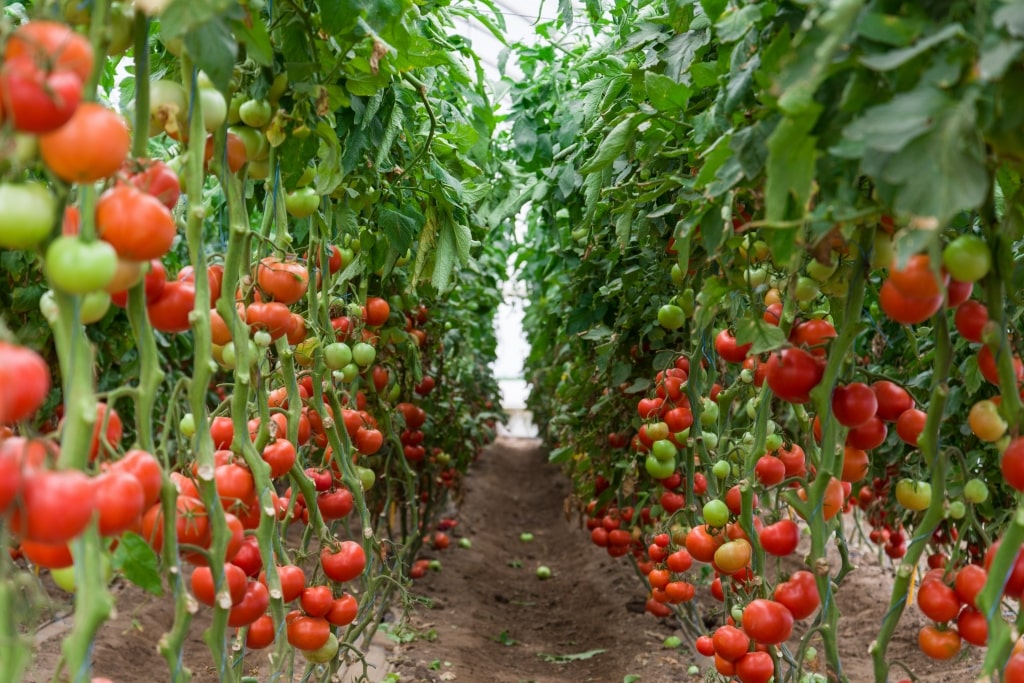
Maximising crop yields with fish hydrolysate requires understanding both the product's capabilities and the specific needs of your crops. This comprehensive guide provides proven strategies for optimising application timing, rates, and methods across different agricultural systems.
Understanding Plant Growth Phases
Successful fish hydrolysate application begins with understanding when plants can best utilize its benefits:
Seedling Stage
- Timing: 1-2 weeks after germination
- Benefits: Enhanced root development and early vigour
- Application: Light foliar spray or soil drench
- Dilution: 1:1000 for young plants
Vegetative Growth
- Timing: Every 2-3 weeks during active growth
- Benefits: Increased leaf area and photosynthetic capacity
- Application: Combined foliar and soil application
- Dilution: 1:500 for established plants
Flowering and Fruiting
- Timing: At flower initiation and fruit set
- Benefits: Improved flower quality and fruit development
- Application: Foliar spray during cool periods
- Dilution: 1:600 to avoid burning sensitive flowers
Crop-Specific Application Strategies
Leafy Greens (Lettuce, Spinach, Kale)
Strategy: Frequent light applications for continuous harvest
- Dilution Rate: 1:500
- Frequency: Weekly applications
- Method: Foliar spray in early morning
- Special Considerations: Avoid applying within 3 days of harvest
Fruiting Vegetables (Tomatoes, Peppers, Cucumbers)
Strategy: Support heavy fruit production with targeted nutrition
- Dilution Rate: 1:300 for soil, 1:500 for foliar
- Frequency: Bi-weekly soil applications, weekly foliar
- Method: Drip irrigation + foliar spray
- Special Considerations: Increase frequency during fruit development
Root Vegetables (Carrots, Potatoes, Beets)
Strategy: Focus on root zone nutrition and soil health
- Dilution Rate: 1:400
- Frequency: Monthly applications
- Method: Soil application or side-dressing
- Special Considerations: Apply at planting and mid-season
Field Crops (Corn, Soybeans, Wheat)
Strategy: Economical applications for large-scale production
- Dilution Rate: 1:200
- Frequency: 3-4 applications per season
- Method: Broadcast application or fertigation
- Special Considerations: Time with cultivation or irrigation
Application Methods and Equipment
Foliar Application
Best Practices:
- Apply during cool, humid conditions (early morning or evening)
- Use fine spray droplets for better leaf coverage
- Add spreader-sticker for improved adhesion
- Avoid application during hot, windy conditions
Soil Application
Best Practices:
- Apply to moist soil for better penetration
- Irrigate immediately after application
- Can be applied through drip systems or sprinklers
- Mix with compost for enhanced soil building
Fertigation Systems
Best Practices:
- Use injection systems for precise application
- Filter product to prevent clogging
- Monitor pH and adjust if necessary
- Clean lines after application
Seasonal Timing Strategies
Spring Applications
- Early Spring: Soil preparation and establishment
- Mid-Spring: Transplant support and early growth
- Late Spring: Vegetative growth support
Summer Applications
- Early Summer: Flowering and fruit set support
- Mid-Summer: Stress mitigation and continued production
- Late Summer: Quality enhancement and harvest support
Fall Applications
- Early Fall: Continued harvest and plant health
- Mid-Fall: Preparation for dormancy
- Late Fall: Soil building for next season
Integration with Other Practices
Companion Planting
- Enhanced nitrogen fixation with legumes
- Improved pest management with beneficial insects
- Better soil health with diverse root systems
Cover Cropping
- Apply to cover crops for enhanced soil building
- Improve nitrogen fixation in leguminous covers
- Accelerate decomposition for faster nutrient release
Composting
- Add to compost piles for enhanced microbial activity
- Improve compost quality and decomposition rates
- Create premium soil amendments
Monitoring and Adjustment
Plant Response Indicators
- Positive: Increased vigor, darker green color, improved growth
- Negative: Leaf burn, stunted growth, nutrient imbalances
- Adjustment: Modify dilution rates or application frequency
Soil Health Monitoring
- Regular soil testing for nutrient levels
- Organic matter content assessment
- Microbial activity indicators
- pH and nutrient balance tracking
Economic Optimization
Cost-Benefit Analysis
- Calculate application costs per acre
- Monitor yield improvements and quality gains
- Factor in reduced need for other inputs
- Consider long-term soil health benefits
Efficiency Improvements
- Bulk purchasing for volume discounts
- Efficient application equipment
- Proper storage to maintain product quality
- Timing applications with other operations
Success with fish hydrolysate requires understanding your specific crops, growing conditions, and production goals. By following these proven strategies and adapting them to your unique situation, you can maximise both crop yields and the return on your fertiliser investment.
Related articles
- Amino Acids in Fish Hydrolysate: A Plant Protein Powerhouse
Discover how amino acids in fish hydrolysate boost plant growth and health. Uncover the benefits of this unique protein source.
- Fish Bio-Bone vs Traditional Bone Meal: Which Is Better?
Discover the differences between Fish Bio-Bone and Traditional Bone Meal for soil health, nutrient release, and organic gardening compatibility.
- The Nutritional Benefits of ExcelCrop's Bio-Bone
Explore the science of fish bio bone meal, its benefits, and applications in agriculture and aquaculture for healthier crops and fish.
Ready to put this into practice? Explore our Pure Fish Liquid fertiliser, Liquid Seaweed or the full organic fertiliser range.