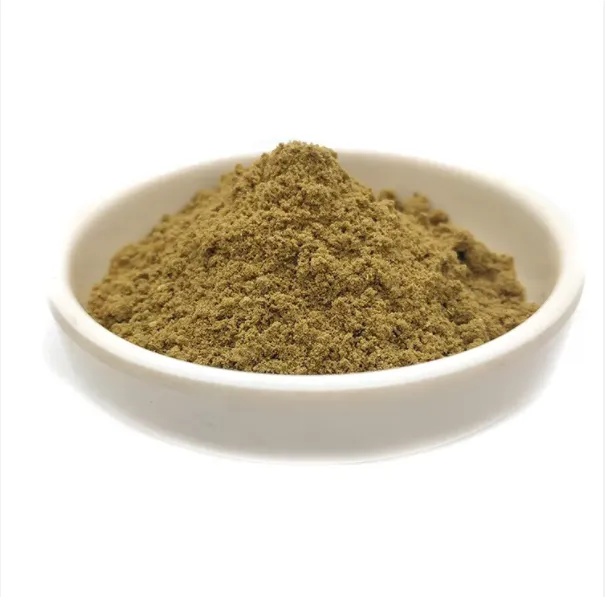
Fish Bio-Bone vs Traditional Bone Meal: Which One Works Better in Your Soil?
When choosing an organic mineral input for soil health, not all “bone meals” are created equal. Two common options—hydrolysed fish bone meal (often called Fish Bio-Bone) and traditional fish meal—differ significantly in how they dissolve, release nutrients, and interact with soil biology.
Understanding these differences can help you choose the right input for long-term soil performance rather than short-term feeding.
- Solubility: How Easily Do Nutrients Become Available?
Hydrolysed Fish Bone Meal
Fish Bio-Bone is produced using enzymatic hydrolysis, which breaks down collagen and mineral matrices into smaller, more bioavailable components. This means calcium and phosphorus are more reactive in the soil, gradually dissolving in the presence of organic acids, microbes, and root exudates.
Traditional Fish Meal
Fish meal is heat-processed and largely protein-focused. Its minerals are locked within cooked tissue and bone fragments, making it far less soluble and slower to interact with soil chemistry unless heavily microbially degraded.
Winner for solubility: Hydrolysed Fish Bone Meal
- Nutrient Release Rates: Fast Feed vs Slow Soil Building
Fish Bio-Bone
Nutrient release is slow, steady, and biologically mediated. Calcium and phosphorus are released in alignment with microbial activity and plant demand, reducing leaching and nutrient tie-up. Collagen peptides also stimulate microbial populations that help unlock existing soil nutrients.
Traditional Fish Meal
Fish meal releases nutrients primarily as proteins break down, which can lead to short nitrogen spikes. However, its calcium and phosphorus contribution is minimal, limiting its value as a true mineral amendment.
Winner for controlled release: Hydrolysed Fish Bone Meal
- Organic Compatibility: Feeding the Soil Food Web
Fish Bio-Bone
Highly compatible with organic and regenerative systems. It supports:
Fungal and bacterial activity
Soil aggregation via collagen peptides
Balanced Ca:P ratios critical for root and cell wall development
It behaves more like a soil conditioner and mineral builder than a simple fertiliser.
Traditional Fish Meal
Still organic-compatible, but functions mainly as a protein and nitrogen input, not a mineral amendment. Overuse can increase biological oxygen demand and odour issues in soil.
Winner for organic systems: Hydrolysed Fish Bone Meal
Final Verdict: Which Works Better in Soil?
If your goal is protein delivery, traditional fish meal has a place.
If your goal is soil structure, mineral balance, microbial stimulation, and long-term fertility, hydrolysed fish bone meal (Fish Bio-Bone) is clearly superior.
Think of it this way:
Fish meal feeds plants
Fish Bio-Bone builds soil
For regenerative, organic, and biologically active farming systems, soil building always wins in the long run.
Related articles
- Amino Acids in Fish Hydrolysate: A Plant Protein Powerhouse
Discover how amino acids in fish hydrolysate boost plant growth and health. Uncover the benefits of this unique protein source.
- The Nutritional Benefits of ExcelCrop's Bio-Bone
Explore the science of fish bio bone meal, its benefits, and applications in agriculture and aquaculture for healthier crops and fish.
- Top Benefits of Seaweed Fertiliser for Your Garden
Discover the advantages of seaweed fertiliser, enhancing plant growth and health. Learn how to use it effectively in your garden.
Ready to put this into practice? Explore our Pure Fish Liquid fertiliser, Liquid Seaweed or the full organic fertiliser range.